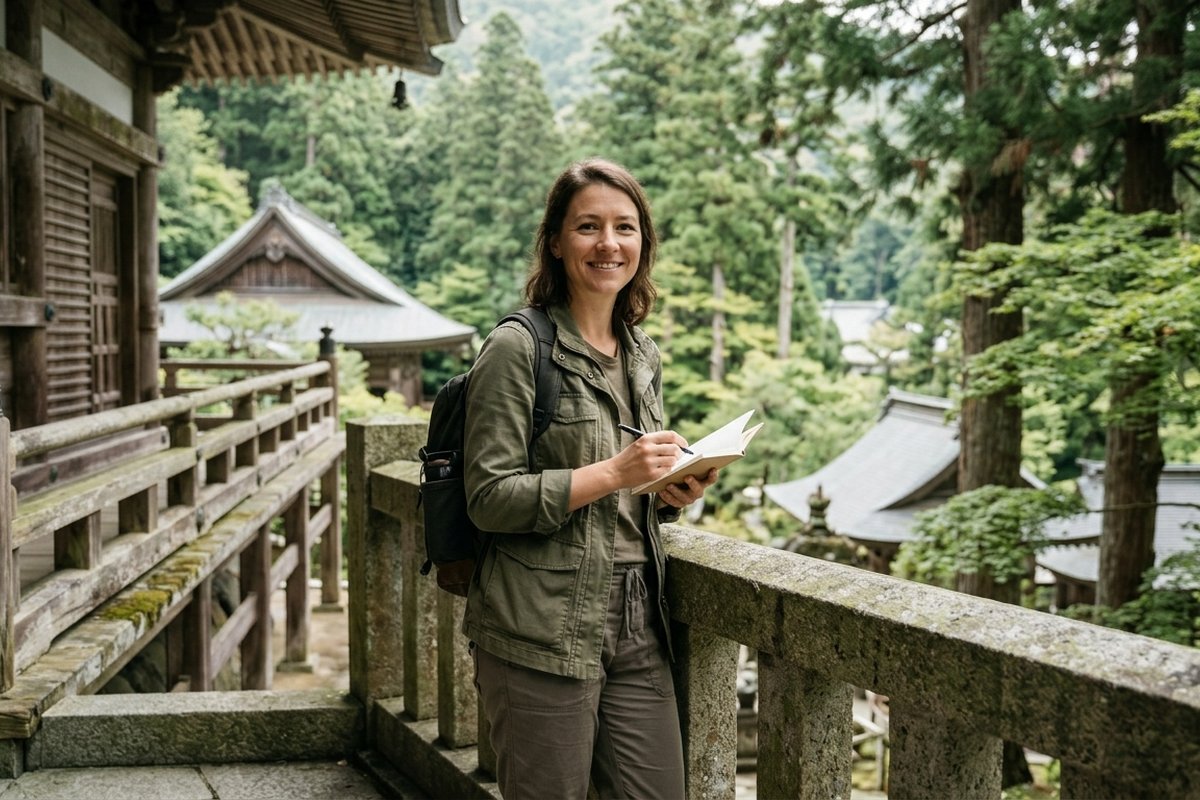
Often bypassed by tourists rushing between Tokyo and Kyoto on the bullet train, Nagoya was the seat of the Owari branch of the Tokugawa shogunate and is the industrial and craft heartland of central Japan.
Nagoya Castle and the Hommaru Palace
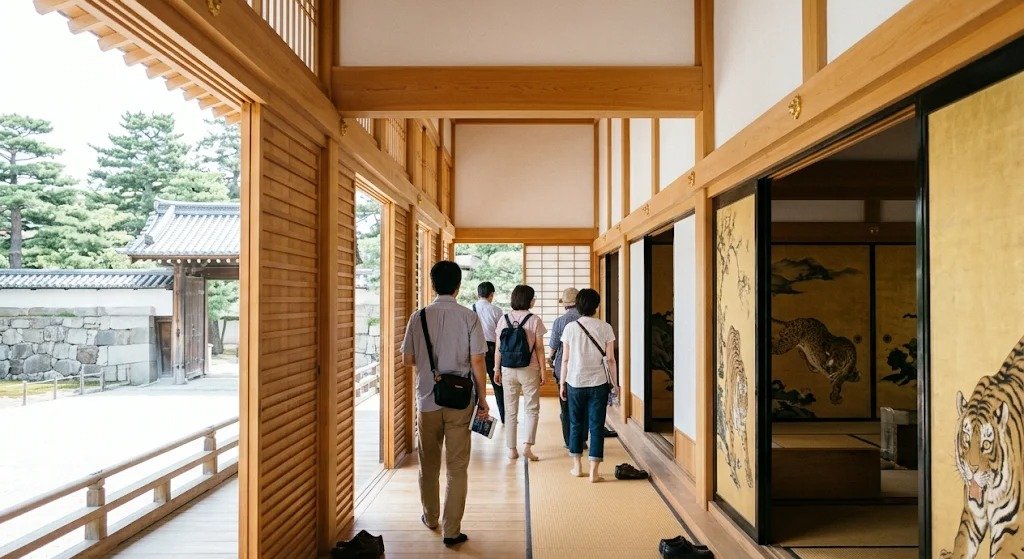
Nagoya Castle was built in 1612 by shogun Tokugawa Ieyasu. While the main concrete keep is currently closed for wooden restoration, the reconstructed Hommaru Palace is one of the most stunning examples of traditional shoin-zukuri samurai architecture in Japan, featuring gold-leaf sliding screen paintings and aromatic Hinoki cypress timber.
Toyota Commemorative Museum of Industry
Long before manufacturing automobiles, the Toyota group began as an artisanal loom weaving company. This expansive museum in central Nagoya demonstrates the evolution from wooden hand looms to automated textile machinery and robotic automotive assembly lines.
Nagoya's Signature Dish: Hitsumabushi Eel
Nagoya boasts a unique culinary culture known as Nagoya Meshi. Hitsumabushi is grilled freshwater eel served over rice in a wooden bowl, traditionally eaten in three distinct stages: first plain, second with wasabi and nori, and third with hot dashi broth poured over the bowl as ochazuke.