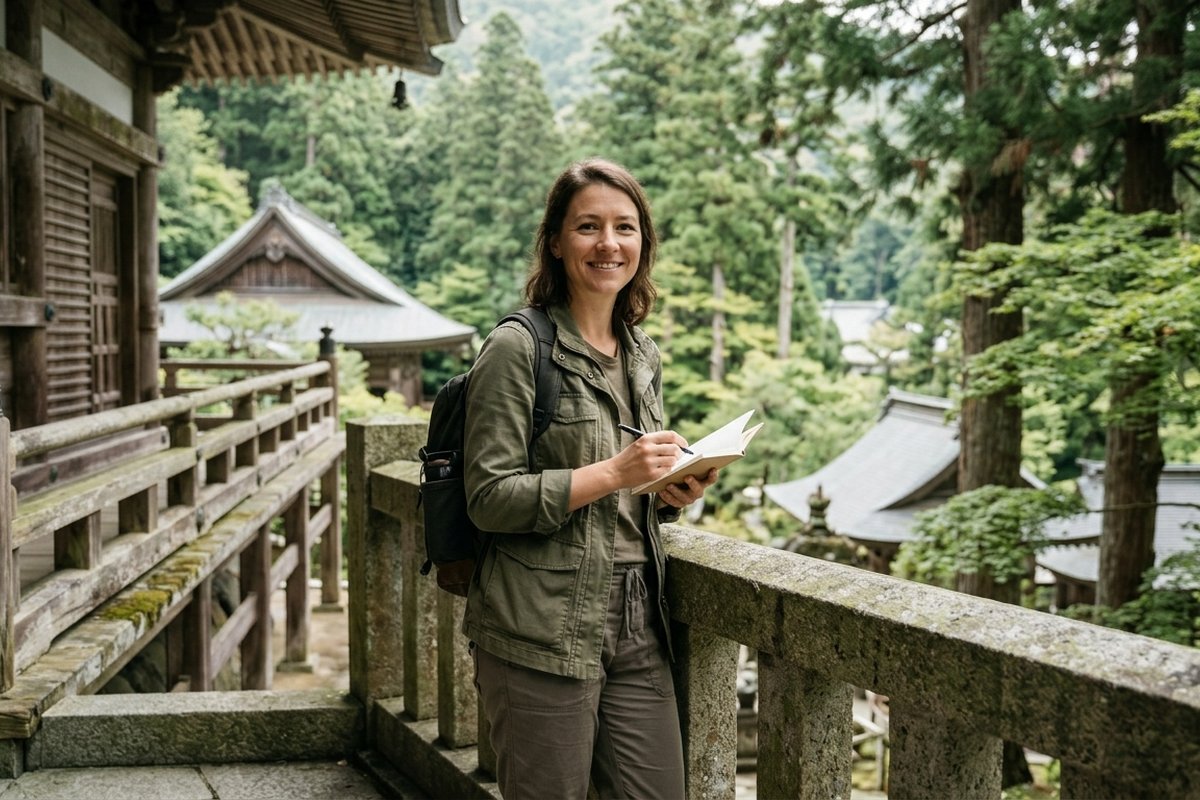
Kyoto is facing immense pressure from global overtourism. Narrow residential streets in historic preservation districts like Gion have seen local residents overwhelmed by intrusive photography and blocked alleyways. Traveling as an 'invisible tourist' means understanding local etiquette and adjusting your timing to visit with reverence.
The 6:00 AM Rule for Kyoto's Major Sights
Fushimi Inari, the Arashiyama Bamboo Grove, and Kiyomizu-dera are open to the public from early dawn. Arriving at 6:30 am guarantees solitary, spiritual experiences where the only sound is wind through bamboo and morning chants from temple halls. By 9:30 am, the crowds arrive—which is your cue to head to lesser-known neighborhood temples.
Geiko and Maiko Photography Etiquette
In neighborhoods like Gion and Miyagawacho, geiko (the Kyoto term for geisha) and maiko (apprentices) are working professionals moving between appointments. Kyoto city government strictly prohibits photographing them on private streets (indicated by signs with 10,000 Yen fines). Never block their path, touch their kimonos, or chase them with cameras.
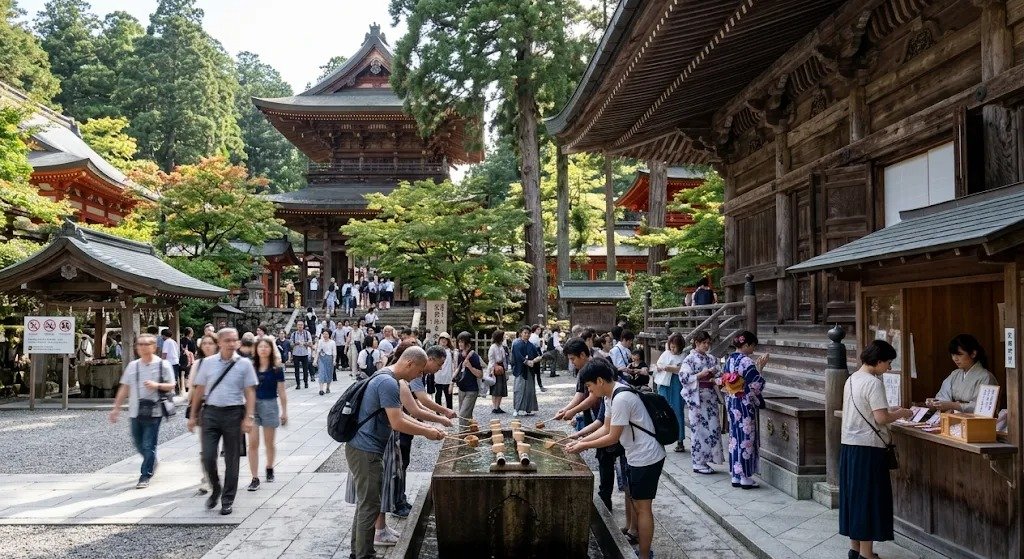
Mindfulness in Zen Rock Gardens
When visiting contemplative dry landscape gardens like Ryoan-ji or Daitoku-ji, maintain a quiet, whispering tone. Remove your shoes before stepping onto polished wooden temple verandas, and sit quietly along the edge to absorb the minimalist gravel raking.